






Short answer: Emily Gustus, 18, from Tisdale, Saskatchewan, was at work when she got the phone call: she had been named a 2026 Loran Scholar, one of just 36 students picked from more than 5,400 applicants across Canada. CBC News described the award as valued at $100,000. She’s now studying engineering at McMaster University. Here’s how she got there, what the Loran Award actually pays, and how you can apply in the next round.
The phone call that “flipped” four years
“I felt like a lot of things had just been lifted off my shoulders,” Gustus told CBC News in April. “The next four years of my life just flipped around.”
She was a Grade 12 student at Tisdale Middle and Secondary School, and CBC reported she was the only Saskatchewan student chosen for the 2026 Loran class.
From sweeping floors to wearing the gear
Gustus’s path into firefighting started with a conversation at her part-time job during Fire Prevention Week, she told CBC. “I was looking for volunteer hours,” she said. “I was like, maybe they would let go and sweep the floors. Before I knew it, I was in the gear.”
She now volunteers with her local fire department, responding to emergency calls, training regularly and helping lead fire prevention work. She remembered visiting an elementary school where young girls were thrilled to see a girl firefighter. “I thought we were past that, but we’re not,” she said.
A pilot’s licence before university
Through the cadet program, Gustus earned both her glider and private pilot licences. She helps introduce younger cadets to flying. “You get 12 minutes in the air and they are just absorbing, saying ‘This is so cool,'” she told CBC. She also plays trombone in her community band.
She credits her mother, who balanced parenting while going to college at a young age. “I was watching this amazing woman build her life while helping me build mine,” Gustus said.
Where she is now
McMaster University announced in July that Gustus is one of its three new Loran Scholars, starting in Engineering 1 (Co-op). She told McMaster she chose the school for its nuclear engineering programs and research. “The Loran Award is a reflection of my journey up to this point, and a catalyst for my growth moving forward,” she said.
What the Loran Award actually pays
News reports in 2026 called it a $100,000 scholarship. For the current cycle, the Loran Scholars Foundation values the award at about $150,000 over four years, made up of:
| Part of the award | What Loran says |
|---|---|
| Living stipend | $12,000 a year |
| Tuition | Full tuition waiver each year, at one of Loran’s 25 partner universities |
| Summer program | Up to $14,000 for the Summer Experiential Learning Program |
| Extras | Mentorship, retreats and a national network of scholars |
To renew it each year, scholars must keep a B+ (77%) cumulative GPA on a full course load and live independently, including in residence in first year.
Even finalists who aren’t chosen can win money: Loran offers up to 54 one-time $6,000 Finalist Awards and up to 70 one-time $3,000 Provincial and Territorial Awards, usable at any public Canadian university.
How to apply for the Loran Award
- The 2027 round is closed. The deadline was October 15, 2026, at noon ET, and Loran doesn’t accept late applications.
- Next round: Loran says applications open in early September each year. If you start university in fall 2028, that’s your window. Check loranscholar.ca for the exact date.
- Eligibility (2027 round): entering university for the first time, a minimum cumulative average of 88% (or an R score of 29 for cégep students), and Canadian citizenship or permanent residence. There’s also a birth-date window.
- What you submit: an online application with short answers and essays, a transcript or marks summary (report cards aren’t accepted), and one referee who isn’t family or a friend.
- What they look for: Loran says it looks beyond marks, for strength of character, a commitment to service and leadership potential. Gustus’s own explanation of what set her apart: “I think it was just doing the things that I love.”
Didn’t win a big scholarship? Government aid you should still apply for
Most students pay for school with a mix of savings, work and student aid. Two official programs are worth knowing:
- Canada Student Grant for Full-Time Students: up to $4,200 a year (or $525 per month of study) until the end of the 2026-2027 school year, according to Canada.ca. It’s money you don’t pay back. You don’t apply for it separately: you’re assessed automatically when you apply for student aid through your province or territory. For a family of four, gross family income under $76,952 qualifies for the maximum grant, and the cut-off is $129,769 (thresholds effective August 1, 2026). Students from Quebec, the Northwest Territories and Nunavut use their own programs instead.
- OSAP (Ontario): the 2026-2027 application is open. Full-time students must apply no later than 60 days before the end of their study period. The weekly maximum for a single full-time student at a public college or university is $530 a week in 2026-2027. Heads-up: changes announced on February 12, 2026 mean students in programs starting on or after August 1, 2026 get more of their provincial OSAP as loans rather than grants.
- Using an RESP? Ontario says money from your Registered Education Savings Plan won’t affect how much OSAP you can get.
Tax time matters too: your aid is based on income information, so file on time. See our 2027 tax deadlines. For another way students are covering tuition, read how a London, Ont. teen won a $100,000 Schulich scholarship.
FAQ
How much is the Loran scholarship worth?
The Loran Scholars Foundation values it at about $150,000 over four years: a $12,000 annual stipend, a full tuition waiver at a partner university, and up to $14,000 for summer programs. 2026 news coverage described it as a $100,000 award.
When is the Loran Award deadline?
The deadline for students entering university in 2027 was October 15, 2026, at noon ET. Applications open in early September each year, and late applications aren’t accepted.
What average do you need for the Loran Award?
For the 2027 round, high school applicants needed a minimum cumulative average of 88%. Cégep students needed an R score of at least 29.
Can permanent residents apply for the Loran?
Yes. Loran requires Canadian citizenship or permanent resident status.
How many students win the Loran scholarship?
Up to 36 Loran Scholars a year. In 2026, the 36 were chosen from more than 5,400 applicants.
Sources: CBC News: Tisdale student, volunteer firefighter and pilot named 2026 Loran Scholar (Apr. 4, 2026), McMaster News: McMaster welcomes three new Loran Scholars for 2026 (July 23, 2026), Loran Scholars Foundation: Announcing the 2026 Loran Scholars, Loran Scholars Foundation: How to apply, Loran Scholars Foundation: FAQ, Loran Award 2027 information resource (PDF), Canada.ca: Canada Student Grant for Full-Time Students, Ontario.ca: OSAP maximum amounts of aid, Ontario.ca: Learn about OSAP
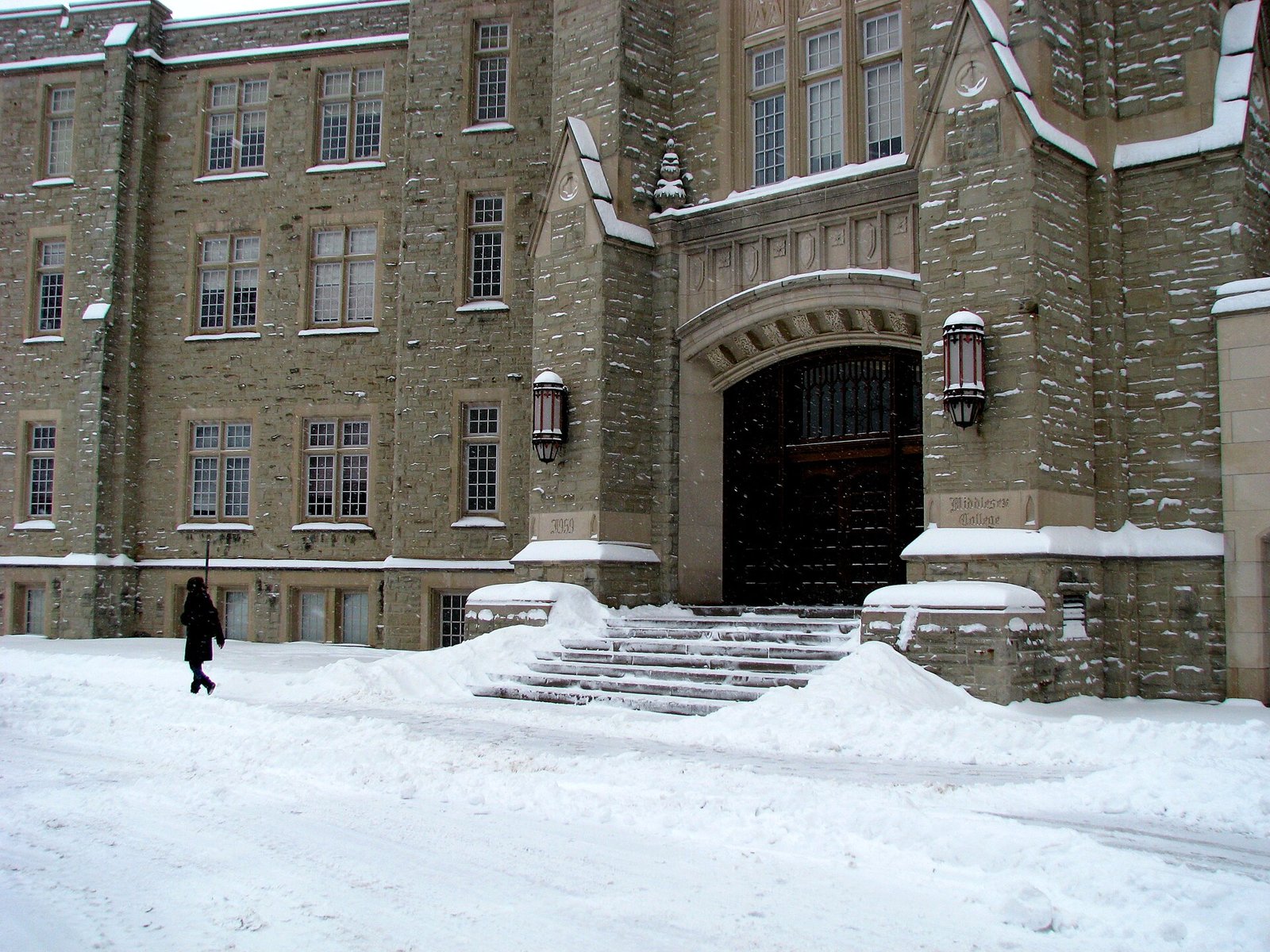
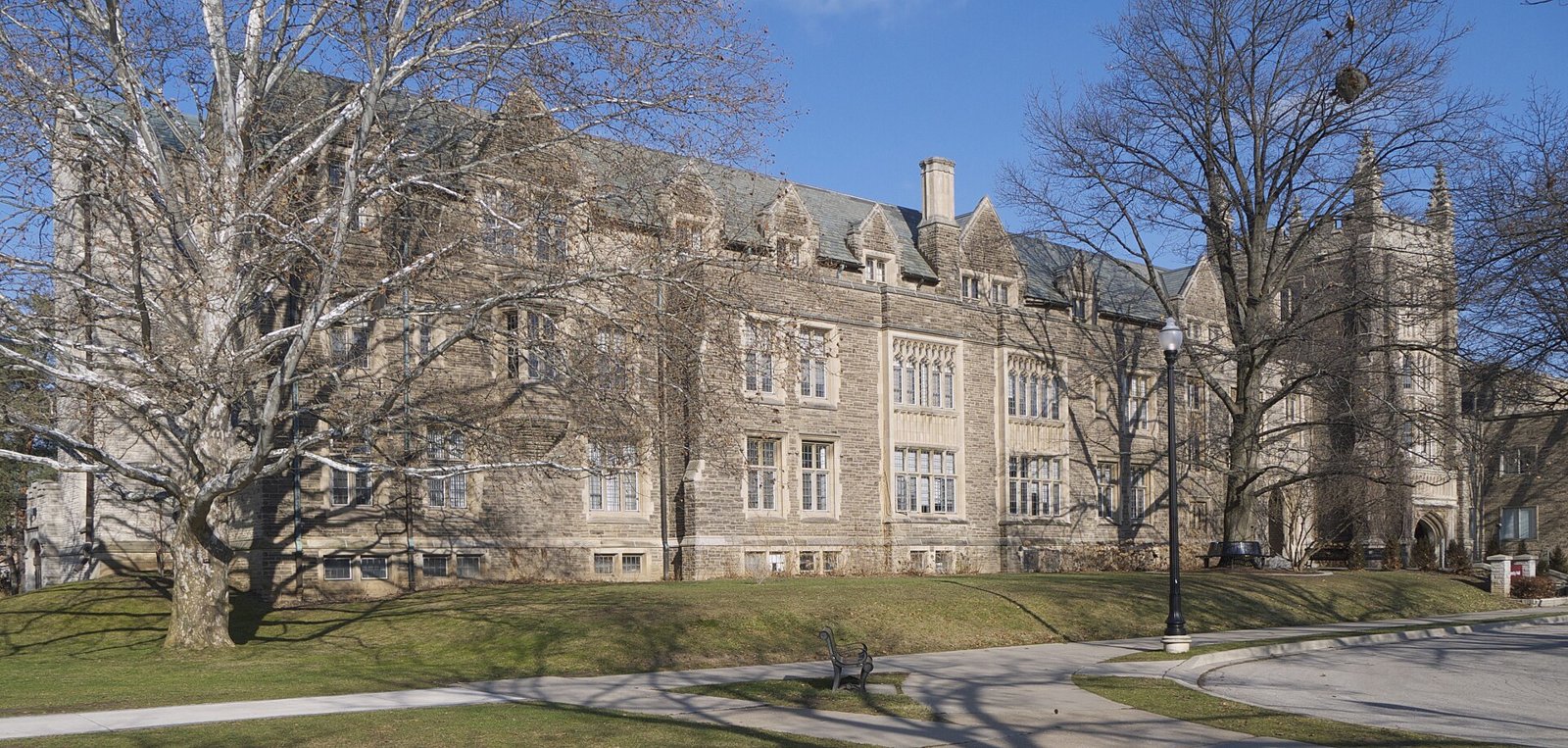
Photo: University Hall, McMaster University, Hamilton, Ontario (campus photo; not the student). JustSomePics, CC BY-SA 3.0, via Wikimedia Commons.