








In 2009, a University of Waterloo engineering student moved into a campus residence built for people who wanted to start companies. He never finished his degree. Six years later, the app he started there was valued at $1 billion, and Canada had a new “unicorn.”
The student was Ted Livingston. The app was Kik, the messenger that became a favourite of North American teenagers. Here is how it happened, what went wrong later, and what students can learn from it.
A co-op job that changed the plan
Livingston started at Waterloo in 2005 to study mechatronics, a mix of mechanical, electrical and computer engineering. Waterloo’s co-op system put him inside Research In Motion, the company behind the BlackBerry, for a string of work terms, according to the University of Waterloo and The Globe and Mail.
That front-row seat to the smartphone boom shaped everything. Livingston has said he wanted to join BlackBerry full time, but his boss told him to go back to school and start his own company. He took the advice.
Built inside a campus startup residence
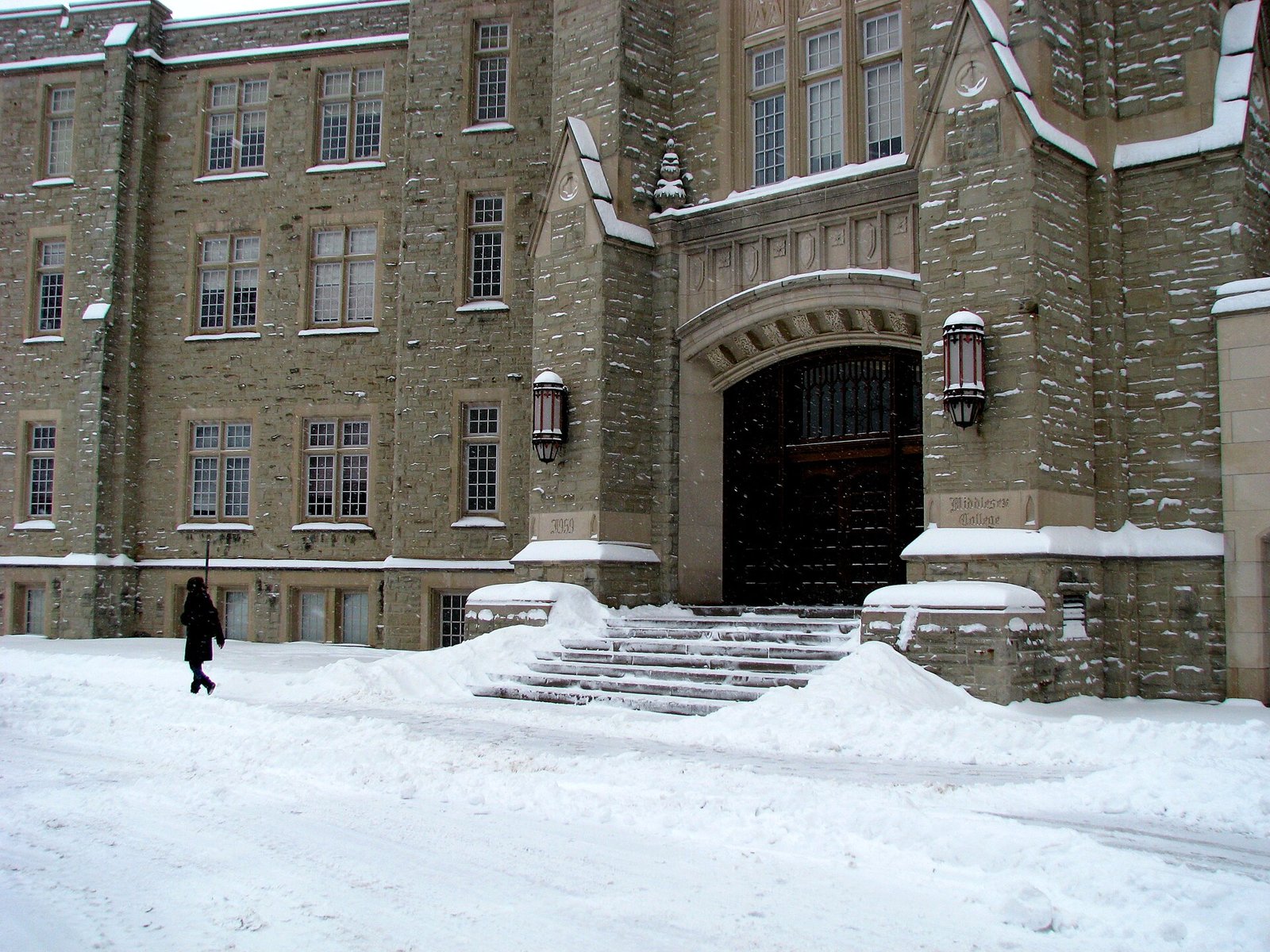
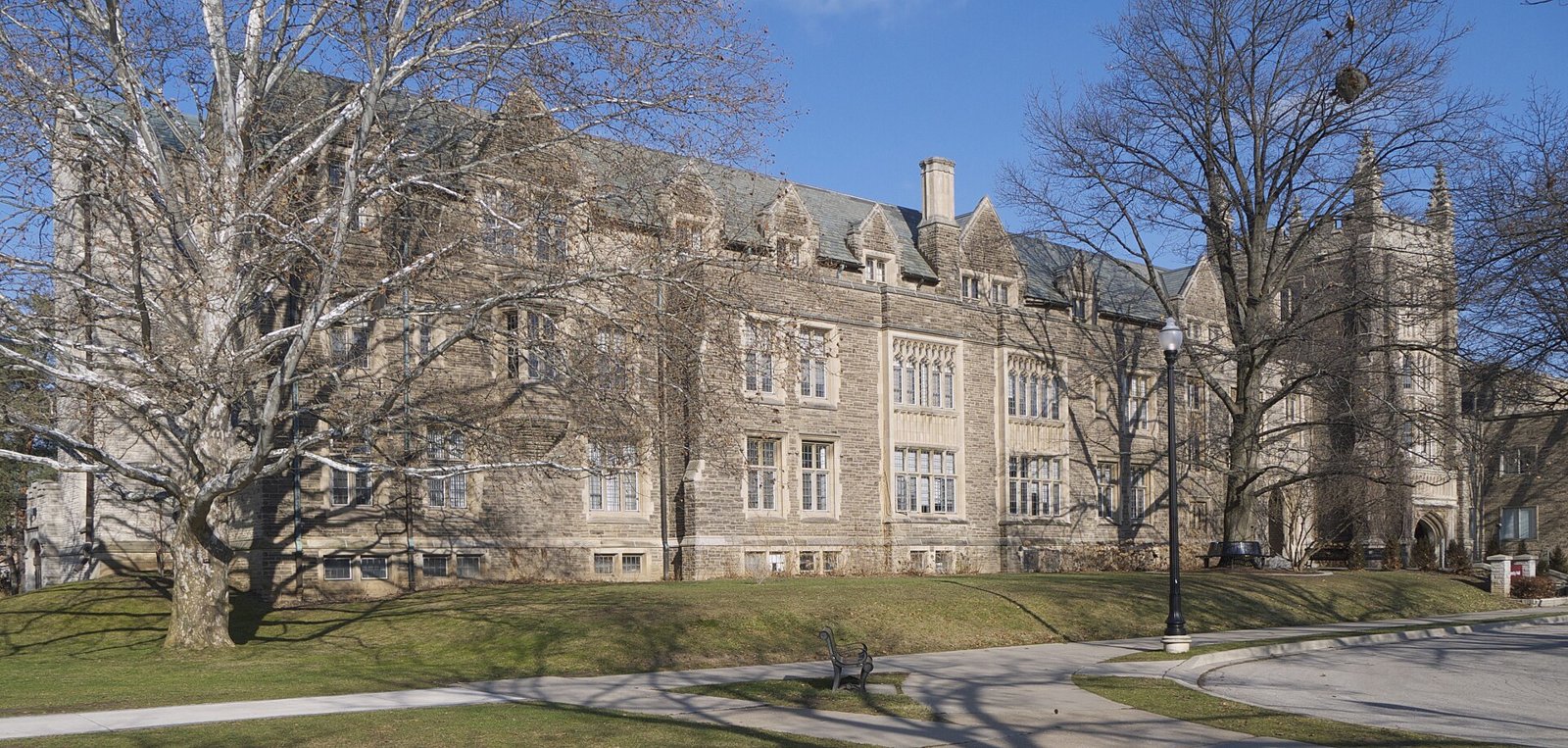
Kik was founded in 2009 in the Velocity residence, a University of Waterloo dorm for students who wanted to build startups. Waterloo’s engineering faculty says Livingston “left school to start the company in 2009 shy of earning a degree in mechatronics engineering.”
He didn’t do it alone. Fellow Waterloo student Chris Best, whom he met through a mutual friend, co-founded Kik and became its chief technology officer, according to The Globe and Mail.
The first idea wasn’t messaging at all. Livingston set out to fix music on BlackBerry phones with an app first called Unsynced. The team later switched its focus to a chat app, and that is what took off.
One million users in 15 days
The redesigned Kik Messenger launched in October 2010. Unlike BlackBerry Messenger, it worked across BlackBerry, iPhone and Android. In its first 15 days, it passed one million users, TechCrunch and The Globe and Mail reported.
The growth came with a fight. In November 2010, Research In Motion pulled Kik from BlackBerry App World. The startup kept going on other platforms and kept raising money.
The $1 billion moment
On August 18, 2015, Kik announced a US$50 million investment from Tencent, the Chinese tech giant behind WeChat. The deal valued Kik at $1 billion. Kik had about 240 million registered users at the time and had raised a total of US$120.5 million since 2009, The Globe and Mail reported.
Livingston’s pitch was ambitious. “We said we wanted to be the WeChat of the West,” he told The New York Times. Waterloo’s engineering faculty later counted Kik among six unicorns with roots in the school.
Kik also stayed in Waterloo instead of moving to Silicon Valley. At a 2015 talk on campus, Livingston said the company had faced a lot of pressure to move south and chose to stay.
The hard part of the story
Success didn’t last in a straight line. In 2017, Kik sold a digital token called Kin to fund a new direction. In June 2019, the U.S. Securities and Exchange Commission sued Kik, saying the roughly US$100 million token sale was an unregistered securities offering. A U.S. court later ruled for the SEC and entered a final judgment in October 2020.
In October 2019, Kik sold the Kik Messenger app to MediaLab, a Los Angeles holding company, for an undisclosed amount. The app kept running under its new owner.
Chris Best, meanwhile, went on to co-found Substack, the newsletter platform, in 2017, after eight years at Kik.
Kik at a glance
| Year | Milestone |
|---|---|
| 2005 | Ted Livingston starts mechatronics engineering at Waterloo |
| 2009 | Kik founded in Waterloo’s Velocity residence; Livingston leaves school |
| October 2010 | Kik Messenger launches; 1 million users in 15 days |
| August 2015 | US$50 million from Tencent; $1 billion valuation |
| June 2019 | SEC sues over the Kin token sale |
| October 2019 | Kik Messenger sold to MediaLab |
Kik isn’t the only Waterloo dorm-room success. Read how another Velocity student turned a cycling problem into a record-breaking smartwatch, or how Facebook started in a Harvard dorm.
What Canadian students can take from this
- Use your campus incubator. The University of Waterloo’s Velocity supports student founders from the idea stage, Toronto Metropolitan University’s DMZ Basecamp is a free summer program for GTA university students, U of T’s Entrepreneurship Hatchery runs a program open to all U of T students, and McGill has the Dobson Centre for Entrepreneurship. Most other Canadian universities and colleges have a similar office; ask student services.
- Co-op counts. Livingston’s idea grew out of what he saw on his work terms. Pay attention to the problems you notice at your placements.
- Keep your options open. Several famous founders left school, but that is not a requirement. Ask your registrar about a leave of absence or part-time study before you withdraw, and check how it affects any student loan, scholarship or study permit.
- Treat it like a real business early. Register the business name, keep your receipts, and report any income when you file your taxes. Our guide to 2027 tax deadlines in Canada has the key dates.
FAQ
Who founded Kik?
Kik was founded in 2009 by University of Waterloo student Ted Livingston, with fellow Waterloo student Chris Best as co-founder and chief technology officer.
Did Ted Livingston graduate from Waterloo?
No. The University of Waterloo says he left school in 2009, short of earning his mechatronics engineering degree, to start Kik.
How much was Kik worth?
Kik was valued at $1 billion after a US$50 million investment from Tencent in August 2015.
Who owns Kik now?
MediaLab, a Los Angeles holding company, bought the Kik Messenger app in October 2019.
Sources: University of Waterloo Engineering news (Feb. 1, 2018), Velocity: Ted Livingston fireside chat (Oct. 7, 2015), The Globe and Mail (Nov. 26, 2015), The Globe and Mail (Aug. 18, 2015), Kik Interactive release via PR Newswire (Aug. 18, 2015), TechCrunch (Mar. 7, 2011), TechCrunch (Aug. 18, 2015), The Globe and Mail on Chris Best (May 27, 2021), Forbes interview with Ted Livingston (Dec. 6, 2013), The New York Times (Aug. 18, 2015), Andreessen Horowitz on Substack’s founders (2019), U.S. SEC (June 4, 2019), U.S. SEC final judgment (Oct. 21, 2020), TechCrunch (Oct. 19, 2019), Axios (Oct. 21, 2019)
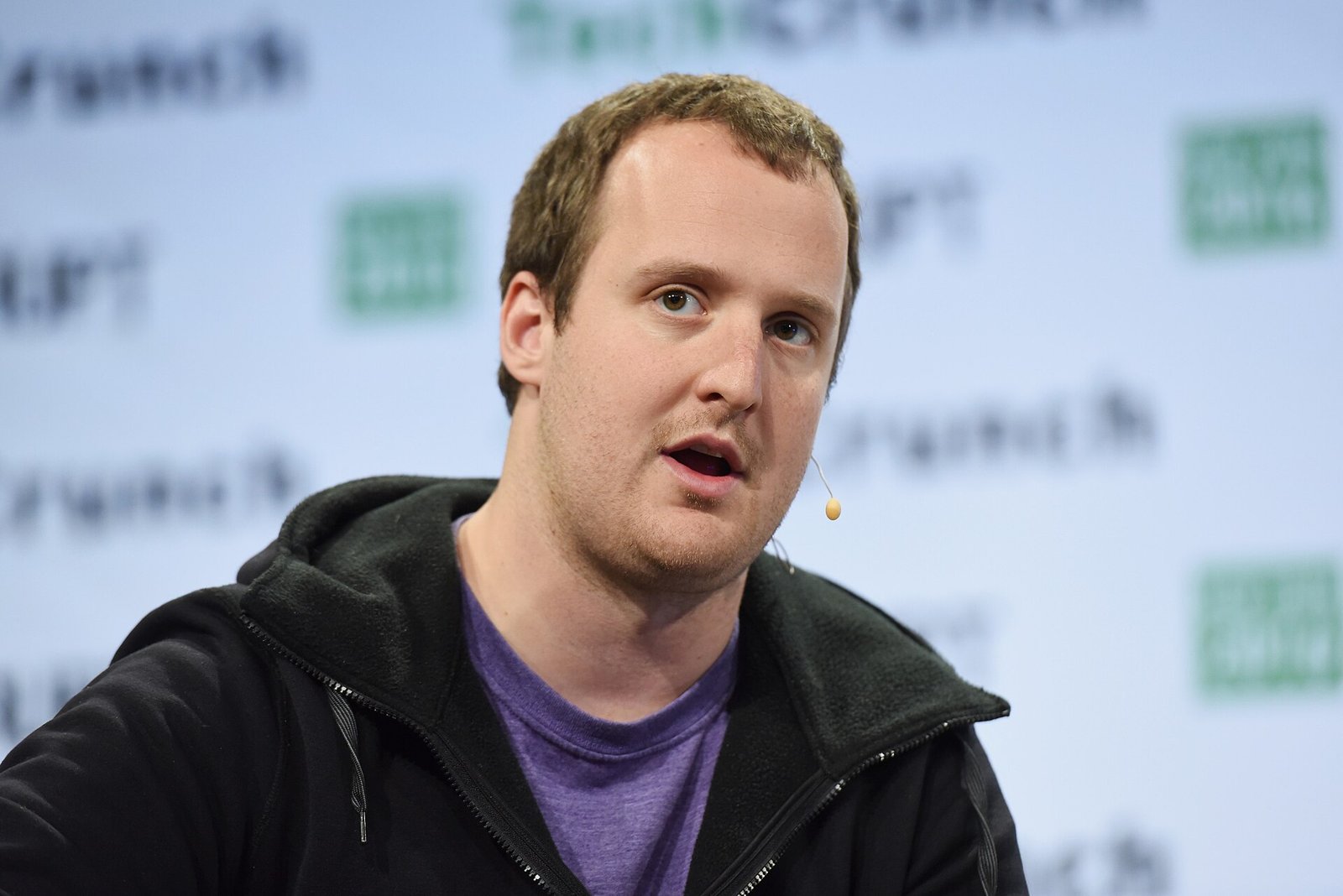
Photo: Kik founder Ted Livingston at TechCrunch Disrupt NY, May 11, 2016. Noam Galai/Getty Images for TechCrunch, CC BY 2.0, via Wikimedia Commons.