







Canada plans to admit 380,000 new permanent residents in 2027, and the same number in 2028 and 2029. That’s the headline of the 2027-2029 Immigration Levels Plan, released by Immigration, Refugees and Citizenship Canada (IRCC) on November 5, 2026. It keeps the 2027 total the same as last year’s plan promised.
The plan also caps new temporary arrivals at 370,000 a year: 220,000 workers and 150,000 international students. On top of the regular targets, IRCC is adding a one-time measure to move up to 200,000 people already living in Canada to permanent residence in 2027.
Permanent resident targets by category
| Category | 2027 target | 2027 range | Share |
|---|---|---|---|
| Economic | 244,700 | 230,000 to 270,000 | 64.4% |
| Family | 81,000 | 76,000 to 89,000 | 21.3% |
| Refugees and protected persons | 49,300 | 42,000 to 55,000 | 13% |
| Humanitarian, compassionate and other | 5,000 | 4,500 to 8,000 | 1.3% |
| Total | 380,000 | 352,500 to 422,000 | 100% |
The targets are the same for 2028 and 2029. IRCC says the 2028 and 2029 numbers are “notional” and will be confirmed or adjusted each year.
Economic immigration: Express Entry and PNP
| Program | 2027 target | 2027 range | 2028 | 2029 |
|---|---|---|---|---|
| Federal High Skilled (Express Entry) | 100,000 | 87,000 to 123,000 | 100,000 | 100,000 |
| Provincial Nominee Program | 95,000 | 83,000 to 106,000 | 95,000 | 95,000 |
| Federal Economic Pilots (incl. home care workers) | 7,900 | 5,000 to 15,450 | 6,175 | 7,400 |
| Atlantic Immigration Program | 6,000 | 5,000 to 8,500 | 6,000 | 6,000 |
| Rural Community Immigration Program | 5,500 | 4,000 to 6,500 | 6,000 | 6,500 |
| Federal Business (Start-up Visa, self-employed) | 1,500 | 500 to 5,000 | 2,725 | 1,000 |
| Quebec Skilled Workers and Business | To be set by Quebec in its own levels plan | |||
| Total economic | 244,700 | 230,000 to 270,000 | 244,700 | 244,700 |
- Express Entry (the Federal Skilled Worker Program, Federal Skilled Trades Program and Canadian Experience Class): 100,000 a year.
- Provincial Nominee Program: 95,000 a year. IRCC says the plan increases planned admissions under the PNP and the Atlantic Immigration Program.
- Rural Community Immigration Program: 5,500 in 2027, rising to 6,500 by 2029. The government says it is making the rural pilot permanent.
Family, refugee and humanitarian targets
- Spouses, partners and children: 66,000 a year (range 61,000 to 75,000)
- Parents and grandparents: 15,000 a year (range 12,000 to 18,000)
- Protected persons in Canada and dependants abroad: 20,000 a year
- Government-assisted refugees: 11,750 a year
- Privately sponsored refugees: 17,550 a year
- Humanitarian and compassionate and other: 5,000 a year
Temporary residents: workers and students
| New arrivals | 2027 | 2028 | 2029 |
|---|---|---|---|
| Workers, total | 220,000 | 220,000 | 220,000 |
| International Mobility Program | 170,000 | 170,000 | 170,000 |
| Temporary Foreign Worker Program | 50,000 | 50,000 | 50,000 |
| International students | 150,000 | 150,000 | 150,000 |
| Total new temporary arrivals | 370,000 | 370,000 | 370,000 |
The total range is 355,000 to 385,000 each year. These are new arrivals only. They don’t count visitors, permit extensions, in-Canada applications or asylum claimants. Post-graduation work permits aren’t counted either, because IRCC treats them as an extension, not a new arrival.
New: up to 200,000 people already in Canada
IRCC is adding a time-limited measure that gives extra room to process permanent residence applications in 2027. According to IRCC, it covers up to 200,000 people in two groups:
- Workers cohort: up to 100,000 people already working in Canada, plus their families. Provinces and territories get extra Provincial Nominee Program spaces to nominate workers they need. They can also pick people who already applied under some federal programs, including the Atlantic Immigration Program, the Start-up Visa and Self-Employed programs, the Agri-Food Pilot and home care worker programs.
- Humanitarian cohort: up to 100,000 people already in Canada, many of whom have waited years. IRCC says it aims to finish all remaining Hong Kong pathway and Ukraine Family Reunification Pathway applications, and to process spousal and family applications from people already living here, bringing spousal wait times outside Quebec closer to 12 months.
IRCC is also continuing earlier one-time initiatives to move up to 115,000 protected persons in Canada and 33,000 work permit holders to permanent residence in 2026 and 2027.
French-speaking immigration outside Quebec
The plan sets targets for French-speaking permanent residents outside Quebec at 9.5% in 2027 (31,825 people), 10.5% in 2028 (35,175) and 12% in 2029 (40,200).
What it means for you
- Already working in Canada? Watch your province’s nominee program. Extra PNP space in 2027 is the main route for the new workers cohort.
- In the Express Entry pool? The federal target is 100,000 a year. Draws will still depend on your score and category.
- Sponsoring a spouse? IRCC says the extra 2027 space should bring wait times closer to 12 months outside Quebec.
- Planning to study? New study permit arrivals are capped at 150,000 a year.
Just landed? Our guide to benefits newcomers can apply for in their first year covers the CRA forms to file right away.
FAQ
How many immigrants will Canada accept in 2027?
The target is 380,000 new permanent residents in 2027, within a range of 352,500 to 422,000. The plan also targets 370,000 new temporary workers and students.
How many Express Entry immigrants in 2027?
The Federal High Skilled target, which covers the Express Entry programs, is 100,000 in 2027, with a range of 87,000 to 123,000.
What is the PNP target for 2027?
95,000, with a range of 83,000 to 106,000. The same target applies in 2028 and 2029.
Are the 2028 and 2029 numbers final?
No. IRCC calls them notional. It will confirm or adjust them in future levels plans.
Source: IRCC: Supplementary Information for the 2027-2029 Immigration Levels Plan, IRCC backgrounder: Building a stronger Canada through a well-managed, predictable immigration system, IRCC: Canada’s immigration levels
This article is for general information, not immigration or legal advice. Targets are planning numbers, not a promise that any application will be approved. Check IRCC or a licensed representative about your own case.
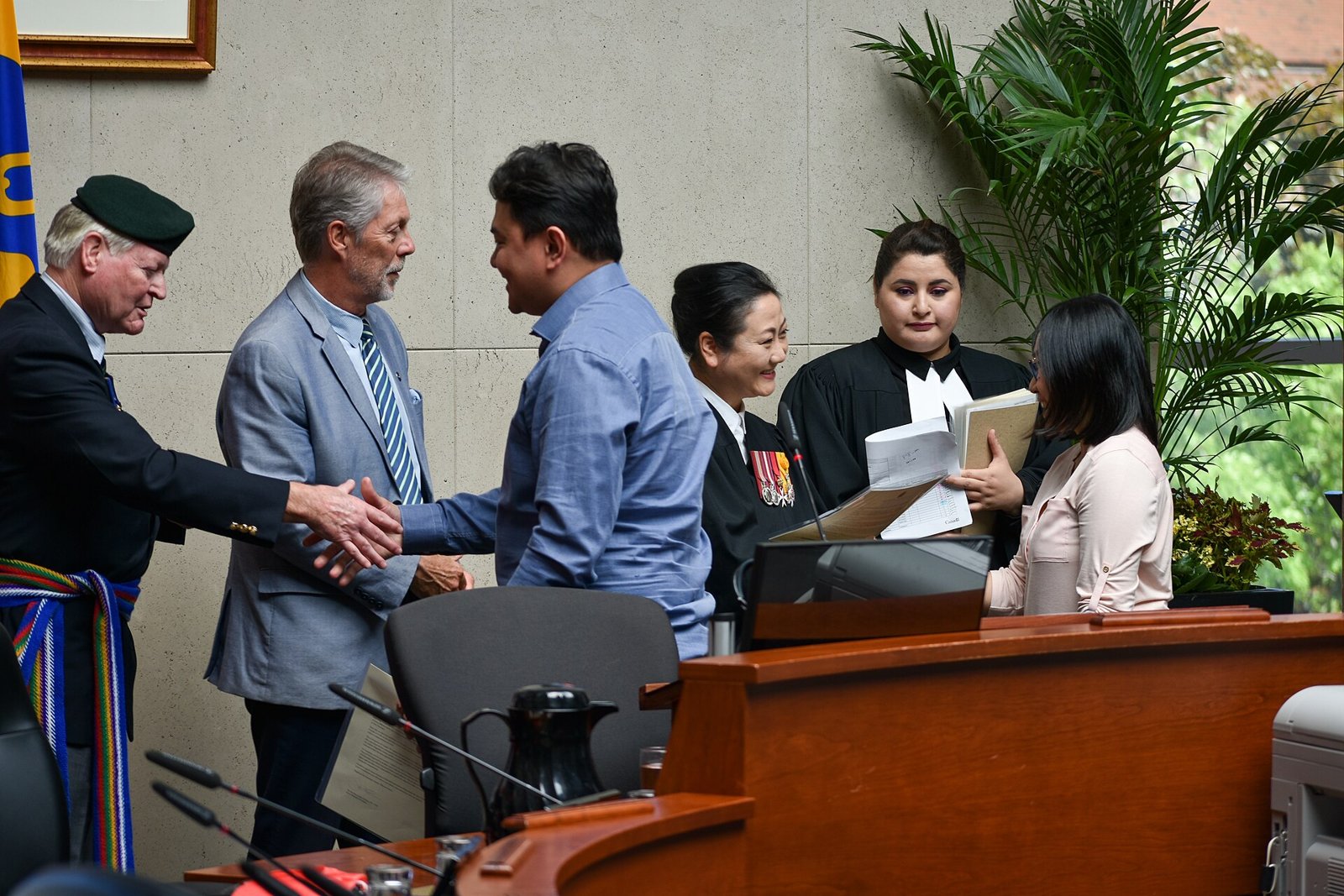
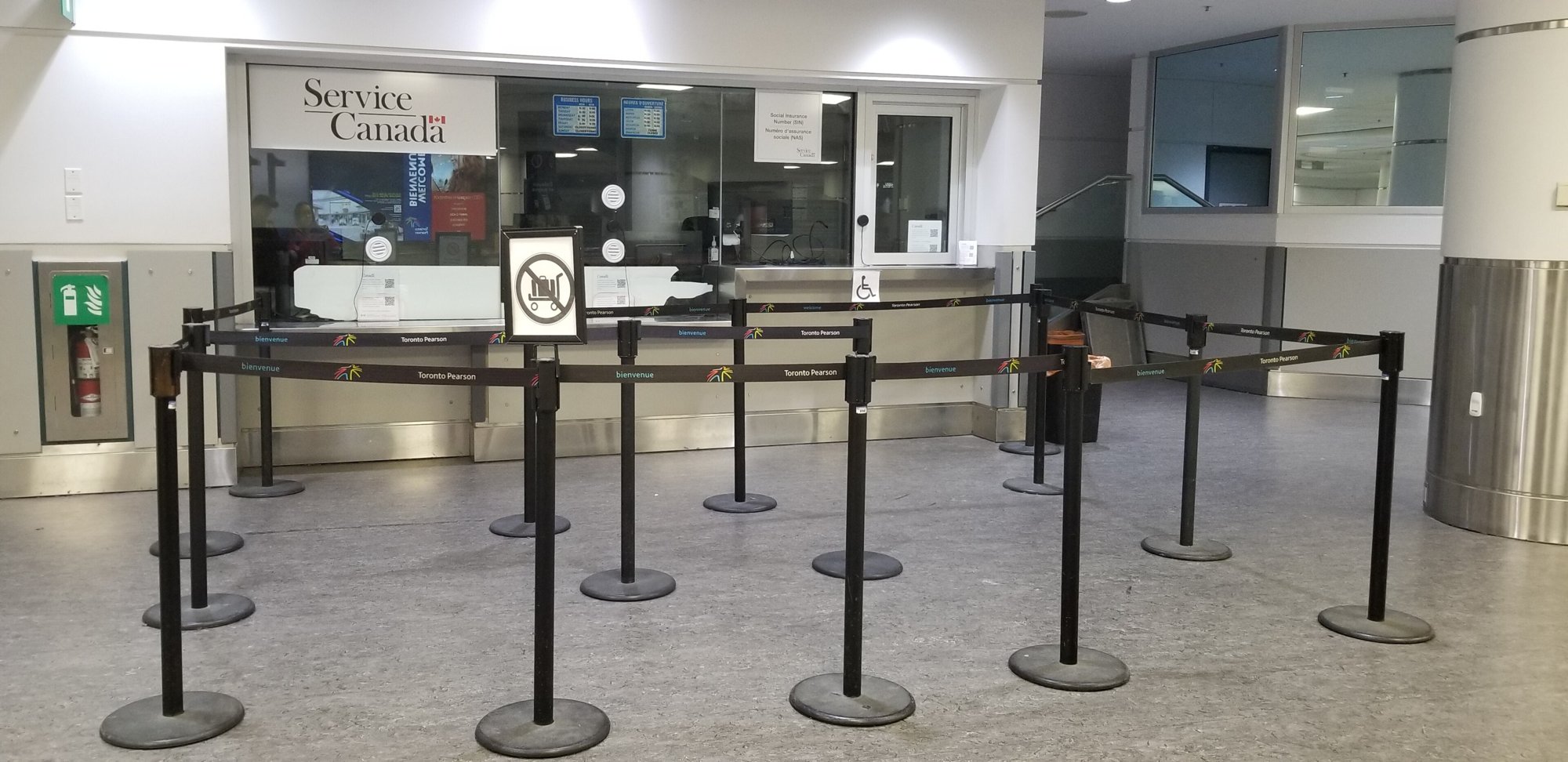
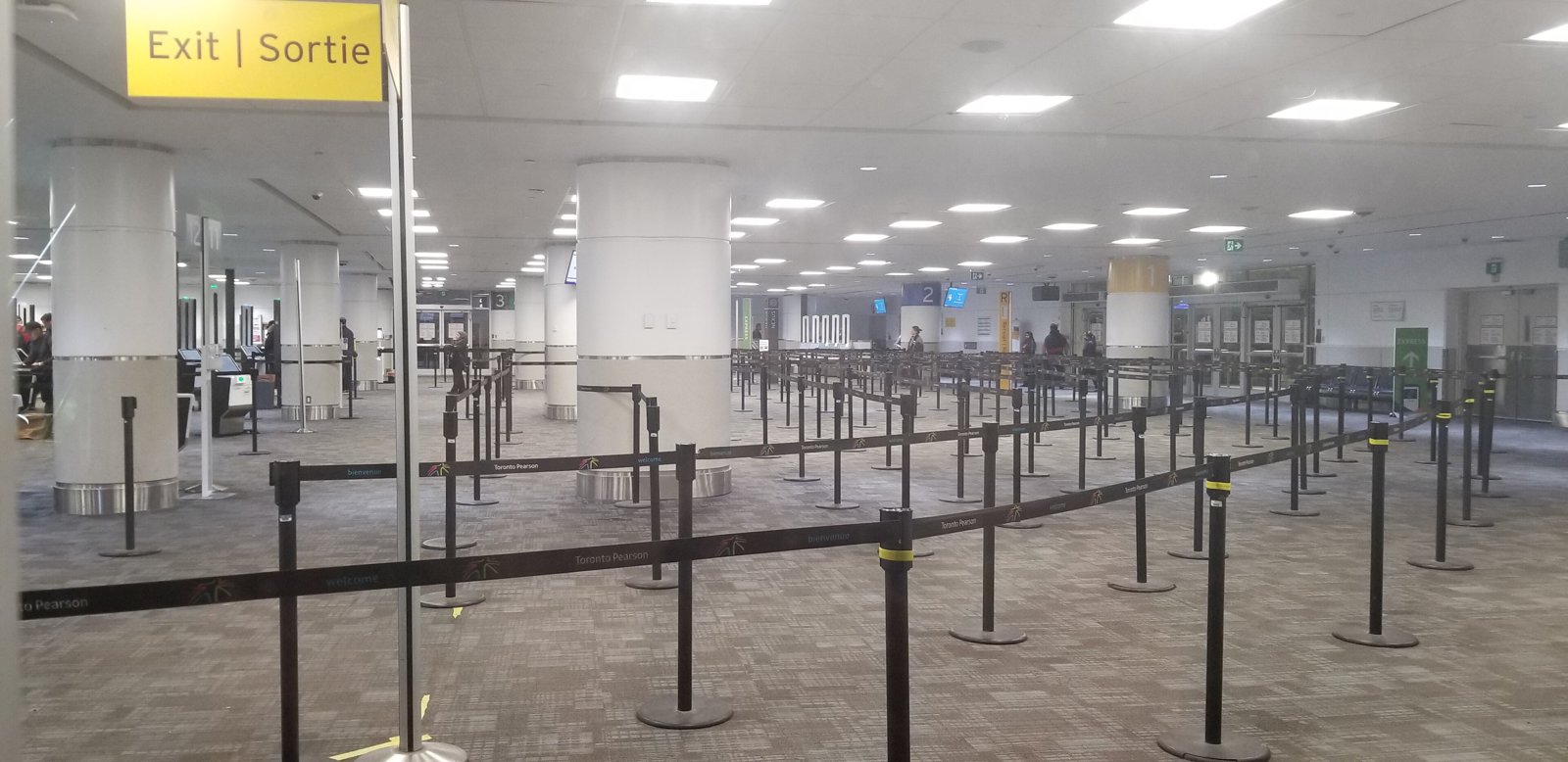
Photo: Silver Dovelet, CC BY-SA 4.0, via Wikimedia Commons.